We are in a matrix, we are the subjects being orchestrated by inverted morality and under mind control since birth to feed their system. We can wake up from their nightmare before it’s too late.
The Deep State and Shadow Government
The deep state and shadow government refer to the unelected (entities) individuals that exert notable influence over the official government’s policies.
The shadow government’s deep state has a hidden network of power that operates beyond the reach of democratic processes, making it free from public scrutiny… Until now.
Key Characteristics of The Deep State Shadow Government
- Unelected Influence: The deep state and shadow government are composed of bureaucrats, intelligence agencies, military officials, and corporate interests that wield power without being accountable to the electorate.
- Secrecy: Their operations and agendas are often hidden from public view, making it difficult to hold them accountable.
- Continuity: These entities persist across different administrations, ensuring that their policies and interests remain intact regardless of who is in office.
- Control Over Key Institutions: They have significant influence over national security, financial systems, and major corporations, allowing them to shape policies and decisions.
Historical Context
The concept of the deep state has been discussed for decades, with various political figures and analysts highlighting its existence and influence. For example:
- Theodore Roosevelt warned about an invisible government that controls the nation’s political and economic systems.
- John F. Hylan, former Mayor of New York City, described an invisible government run by powerful international bankers.
- Mike Lofgren, a former congressional staffer, detailed the deep state as a hybrid of national security and law enforcement agencies that operate independently of elected officials.
Key Players
The deep state and shadow government include:
- Government Agencies: Such as the Department of Defense, Department of Homeland Security, Central Intelligence Agency (CIA), and the Federal Bureau of Investigation (FBI).
- Corporate Interests: Major corporations like Exxon Mobil, Monsanto, and Wall Street firms that have significant influence over policy.
- Billionaire Families: Families like the Rothschilds and Rockefellers, who have historically controlled banking, media, and other key industries.
- Military-Industrial Complex: A term coined by President Eisenhower to describe the interlocking interests of the military, defense contractors, and government.
Mechanisms of Control
The deep state and shadow government use various mechanisms to maintain their influence:
Surveillance and Intelligence: Use of surveillance technologies and intelligence agencies to monitor and control dissent.
Media Control: Ownership of mainstream media outlets to shape public opinion and narrative.
Economic Leverage: Control over financial institutions and markets to influence policy and political outcomes.
Legal and Judicial Systems: Influence over key courts and legal systems to ensure their interests are protected.

Rev. Jul. 25, 2019 | SES = Senior Executive Service; LEGEND: These corruptocrat photos contain a stylized Christian Celtic Wheel Cross in the background alongside the text “Corruption Central,” meaning we have put the person’s conduct under the microscope and discovered that he or she is at the center of global corruption.

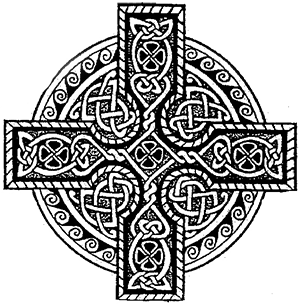
Judge Amy Berman Jackson asserted in Feb. 2019 that a heavily cropped version of her corruptocrat photo (First Amendment OPINION about a public official!) where the “corruption” text had been cropped out, as had the yellow toxic hazardous waste image, was unambiguously a rifle cross hair in her interpretation. The context of the image had been so heavily cropped that it looked suspiciously like someone had been paid to butcher it to fit her bogus narrative. Even so, her interpretation of the butchered version shows not only her woeful ignorance of theology, history, symbology and engineering, but also her self-serving violation of the Code of Conduct for U.S. Judgesrequiring her recusal for bias—not even counting her financial partiality to investment in scores of Clinton Foundation donors. The background logo could be many things, but she clearly wanted to see only a rifle sight (perhaps the victims of her Fast and Furious gun running fiasco with Eric Holder weigh heavily on her soul). Others assert equally ignorantly that the Cross is a pagan or white supremacist symbol.
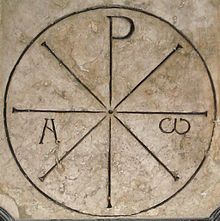
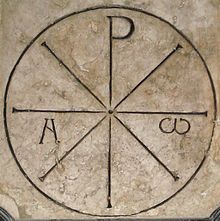
This stylized Chi-Rho Christian Cross dates to 312 A.D. when Emperor Constantine adopted the symbol after his history-changing “By this sign, you shall conquer” vision of the Cross of Jesus Christ on the Milvian Bridge. A similar Wheel Cross form began to be widely used in Ireland by the seventh century. See footnote. The triple entendre indicates that the person’s corrupt life—when studied under a microscope—has been found wanting, but that there is hope in Christ if the person repents from his or her wicked ways. It triples as a reticle or graticule built into all sorts of eyepieces in microscopes, oscilloscopes, surveying instruments, astronomy optics, precision pointers, binoculars, etching equipment, and yes, gun sights, but also computer mouse pointers! Therefore, to claim that it could only mean a gun sight is truly ignorant or self-serving. As discussed, it is a call to prayer and repentance based upon microscopicobservation of the corruptcrat’s conduct. For Judge Jackson to intepret the symbol in the only way she could think of as her judicial excuse to gag Roger Stone’s FREE SPEECH right to defend himself is a heinous abuse of her authority. Chief Justice John Roberts should censor her immediately. Patriots must demand it. To further reinforce this triple entendre and to accomodate judicial sensibilities, our volunteers have updated the stylized Celtic Wheel Cross with an actual one, as well as changed the logo type to “Corruption Exposed.” May the Lord deliver us from corrupt judges and their accomplices in America and around the world. Proverbs 17:23: “Corrupt judges accept secret bribes, and then justice is not done.”
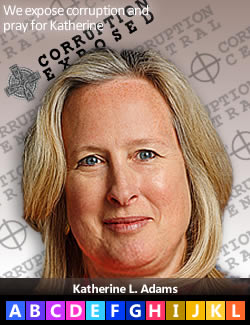
1. Katherine L. Adams
Apple, Honeywell, Sidley Austin LLP, Judiciary, DOJ
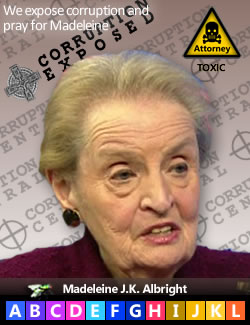
2. Madeleine J.K. Albright
Executive branch, SES
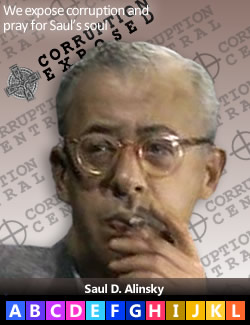
3. Saul D. Alinsky
Executive branch
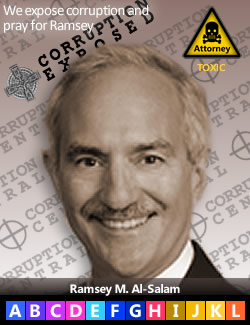
4. Ramsey M. Al-Salam
Patent Office
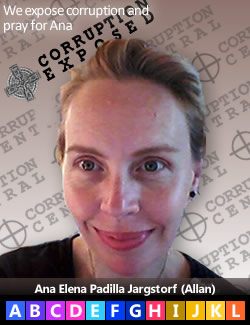
5. Ana Padilla Elena Jargstorf Allan
Parliament (UK), Tavistock Institute, Wellcome, British Psych. Soc.
Suppressed Technologies
Free energy, anti-gravity, cures for “incurable” diseases…
Ancient Healing Traditions
- African Traditional Medicine:
- Focuses on the universal life force (e.g., Ase, Nyama) and the free flow of this force for health.
- Practices include spiritual cleansing, energetic extraction, and ancestral reconciliation.
- Traditional Chinese Medicine (TCM):
- Emphasizes the balance of Qi (Chi) and the concepts of Yin and Yang.
- Practices include acupuncture, herbal formulas, and Qigong & Tai Chi to regulate and purify Qi.
Integration of Modern and Ancient Wisdom
- Combining Modern Medicine with Ancient Wisdom: While modern medicine addresses physical symptoms, ancient healing traditions focus on the energetic or spiritual root causes of illness.
- Holistic Approach: For lasting health, it is essential to tend to the soil (energetic and spiritual well-being) while addressing physical symptoms.
Key Aspects of Their Influence— TAP SCREEN HERE TO UNDERSTAND: Secrecy and Exclusivity. Integration into Power Structures. Philosophical and Mystical Elements:
- Secrecy and Exclusivity: The secretive nature of these societies adds to their allure and perceived power. Their rituals and knowledge are often hidden from the public eye, fueling theories about their true intentions and influence.
- Integration into Power Structures: Esoteric societies are believed to have penetrated the corridors of power, influencing political and financial decisions. This raises questions about the transparency and ethics of global governance.
- Philosophical and Mystical Elements: These societies often incorporate philosophical and mystical elements into their practices, which are thought to shape their worldview and decision-making processes.
Ethical and Philosophical Dilemmas
The influence of esoteric societies raises profound ethical and philosophical questions:
- Democracy and Transparency: The secrecysurrounding these societies challenges the principles of democracy and transparency. It questions who truly holds power and how decisions are made.
- Equity and Justice: The pursuit of esoteric wisdom versus the principles of an open and equitable society is a critical dilemma. It invites a broader conversation about the values that should guide human progress.
- Right to Knowledge: The quest for knowledge and power, especially when shrouded in secrecy, challenges the right to knowledge and the balance between esoteric wisdom and public access to information.
Future Implications
The future trajectory of human development, shaped by both visible and unseen forces, presents a critical choice:
- Enlightenment vs. Control: Will society move towards a future driven by a genuine quest for enlightenment and collective betterment, or will it drift into an era marked by control and manipulation by a select elite?
- Transparency and Critical Inquiry: The resolution to this question hinges on fostering a culture that values transparency, encourages critical inquiry, and embraces collective responsibility.
These entities shape policies and decisions that affect millions, often without public scrutiny.
Key Players in Global Influence
| Entity | Description | Notable Members |
|---|---|---|
| Council on Foreign Relations (CFR) | Founded in 1921, this organization includes influential figures in finance, media, and politics. It publishes the journal Foreign Affairs, which shapes U.S. foreign policy. | Every U.S. Secretary of State since 1945, major bank executives |
| Trilateral Commission | Established in 1973 to promote cooperation among North America, Europe, and Asia-Pacific. It produces reports on trade and finance. | Former U.S. Presidents, European heads of state |
| Elite Families | Families like the Rothschilds and Rockefellers have historically influenced finance and politics through their wealth and connections. | Rothschilds, Rockefellers, and others |
The Role of Secret Societies
Secret societies and fraternal orders often serve as networking platforms for the elite. Meetings at events like the Bilderberg Group and the World Economic Forum allow powerful individuals to discuss and coordinate their interests.
Influence of Intergenerational Dynasties
Intergenerational family dynasties have maintained their influence over centuries. They often control vast financial resources and have deep connections in various sectors, including banking, media, and politics. Their legacy shapes global events and policies, often in ways that remain hidden from public view.
These networks operate in the background, influencing decisions through their extensive connections and resources, making them the true puppet masters of our world.
The True Nature of Reality
Is this all there is?
Simulation theory, alternate dimensions, the Mandela effect – explore the mind-bending possibilities that challenge our perception of existence itself.
The true influence over global affairs often lies beyond the public eye, with elite families, secret societies, and influential groups playing significant roles.
KEY ASPECTS OF THIS HIDDEN INFLUENCE
The Global Elite
- Power and Influence: The global elite, comprising the richest, most powerful, and best-educated groups, exert significant control over resources, jobs, and political influence. They prioritize economic prosperity over security and cultural self-determination.
- Globalization: Globalization is driven by political decisions made by these elites, with a focus on capitalist, rationalist, and technological forces.
- Transnational Actors: Neoliberal theory emphasizes the role of transnational actors, including corporations, NGOs, and governmental networks, in shaping global affairs.
Secret Societies and Influential Groups
- Freemasons: Founded in 1717, Freemasonry has spread across Europe and the American colonies. Members include prominent figures like George Washington, Benjamin Franklin, and Winston Churchill.
- The Illuminati: Founded by Adam Weishaupt in Bavaria, the Illuminati have been linked to various historical events and conspiracy theories.
- The Bilderberg Group: Founded by Prince Bernhard of the Netherlands in 1954, the Bilderberg Group is a secretive organization that brings together global power brokers for informal discussions on major global issues.
The Bilderberg Group
- Origins and Evolution: The Bilderberg Group was established to foster dialogue between Europe and North America during the Cold War era.
- Mission and Structure: The group operates under Chatham House rules, ensuring confidentiality and fostering open discussion among its members.
- Influence: The Bilderberg Group’s members include heads of state, CEOs, academics, and military officials. Their influence extends across politics, finance, media, and technology.
- Global Governance: The group plays a role in shaping international institutions and policies, with many members occupying top posts in organizations like the EU, NATO, IMF, and UN.
False Flag Operations
False flag operations are covert operations designed to deceive the masses by making it appear as though catastrophic incidents were executed by someone when actually planned by the deep state actors for an intended purpose.
These tactics have been used throughout history to manipulate public opinion and drive specific agendas.
NOTABLE EXAMPLES
Key Historical False Flag Operations
- Gleiwitz Incident (1939): Nazi operatives staged an attack on a German radio station, blaming it on Poles to justify the invasion of Poland.
- Operation Northwoods (1960s): A proposed U.S. operation to stage terrorist acts and blame them on Cuba to justify military intervention.
- Gulf of Tonkin Incident (1964): Often cited as a false flag operation that led to the escalation of the Vietnam War.
- Reichstag Fire (1933): Used by the Nazis to consolidate power and suppress political opposition.
- Mukden Incident (1931): Staged by the Japanese military to justify their invasion of Manchuria.
- Lavon Affair (1954): Israeli agents planted bombs in Egypt to frame local insurgents.
Modern-Day False Flag Theories
In recent years, false flag theories have become more prevalent, often fueled by social media and the internet. Some notable examples include:
- Sandy Hook Elementary School Shooting (2012): Despite overwhelming evidence to the contrary, some conspiracy theorists labeled it a false flag operation.
- Boston Marathon Bombing (2013): Also labeled a false flag operation by some.
- Chemical Attacks in Syria: Various parties have been accused of staging these attacks to justify military intervention.
- COVID-19 Pandemic: Numerous false flag theories emerged, including claims that the virus was intentionally released.
Psychological and Social Impact
False flag operations and the theories surrounding them can have profound psychological and social effects. They can:
- Erode trust in institutions
- Create division and fuel paranoia
- Lead to increased polarization and distrust among the public
- Justify extreme measures, such as increased surveillance or military intervention
Understanding the history and mechanics of false flag operations can help individuals critically evaluate information and avoid falling prey to conspiracy theories. It’s crucial to approach each claim with a critical mind, seeking evidence before jumping to conclusions.
The UFO and Alien Phenomenon
Government cover-ups, ancient astronaut theories, contact experiences – the truth is out there.
The esoteric connection to UFOs and alien phenomena involves a blend of occult practices, religious interpretations, and psychological perspectives.
DIFFERENT INTERPRETATIONS
Occult Practices and UFO Encounters
- Trance States: Altered states of consciousness that enable telepathic communication with entities.
- Seances: Attempts to communicate with spirits or otherworldly beings through mediums.
- Clairvoyance: Psychic ability to perceive things beyond physical reality.
- Spiritism: Channeling or attempting to communicate with departed or extra-human intelligences.
- Automatic Handwriting: Writing without apparent awareness, believed to be guided by spirits.
- Crystal Gazing: Divination or fortune-telling using crystals to seek paranormal information.
- Levitation: Phenomena where objects or individuals are suspended in the air without support.
- Out-of-Body Experiences: Alleged separation of the soul or spirit from the body, often traveling to different locations.
Religious and Spiritual Interpretations
- Christian Perspectives: Some Christian researchers argue that UFO encounters may be linked to spiritual deception or demonic activity. They cite biblical warnings against occult practices and suggest that such encounters could be spiritually hazardous.
- Theosophical Backdrop: Many UFO groups draw from Theosophical Society teachings, which include beliefs in cosmic masters and astral travel. Theosophy has influenced modern UFO movements, with some believing in extraterrestrial beings as guides or ascended masters.
- Carl Jung’s Views: The psychologist Carl Jung believed that UFO sightings could be psychic experiences rather than physical events. He suggested that people involved in occult practices might witness UFOs that are not physically present.
Government and Insider Perspectives
- Spiritual and Religious Connections: Insiders and government officials have increasingly highlighted spiritual and religious angles to the UFO phenomenon. Some suggest that UFOs may not be extraterrestrial but could be manifestations of spiritual forces.
- Vatican’s Interest: There have been calls for the Vatican to open its archives to explore potential connections between historical religious accounts and UFO encounters. This could lead to a theological reimagining if disclosure occurs.
Cultural and Historical Context
- Ancient Texts: Some researchers draw parallels between UFO experiences and ancient texts like the Book of Enoch, which describes beings descending to Earth. This linkage raises questions about the motivations behind such associations.
- Political and Social Implications: The intersection of UFO research and religious interpretations has political and social implications. It can influence public perception and policy, as well as shape cultural narratives around the phenomenon.
Understanding the Deep State
There is an existence of a clandestine network within the U.S. federal government, primarily composed of members of the FBI, CIA, NSA, and other 3 letter agencies.
This network exercises power alongside and within the elected government, often working against the interests of the sitting president or the public.
Unpacking the Deep State and Government Lies
Origins and Evolution
- Term Origin: The term “deep state” originated in Turkey in the 1990s but began to be used in the U.S. context during the Obama administration.
- Precursors: Beliefs in a dual state or shadow government have existed in the U.S. since at least the 1950s.
- Mainstream Recognition: The concept gained mainstream recognition during Donald Trump’s presidency, who frequently claimed the deep state was working against him.
Key Allegations
- Clandestine Network: Proponents argue that a hidden network of conspirators within the leadership of financial and industrial sectors exercises power.
- Opposition to Trump: During Trump’s presidency, allies and right-wing media outlets alleged that Obama was coordinating a deep state resistance to Trump.
- QAnon Connection: The concept of a deep state is a central tenet of the QAnon pro-Trump conspiracy theory movement.
Government Lies and Cover-Ups
Health and Safety
- Vaccine Initiatives: Allegations suggest that vaccine initiatives have caused harm to countless babies and children, with the government covering up the truth.
- Food and Water Contamination: Claims include the addition of harmful substances like fluoride in the water supply, with the government suppressing the truth.
- Healthcare Industry: The healthcare system is alleged to be focused on profit rather than healing, with Big Pharmaceutical companiesprioritizing repeat customers over health.
Political Manipulation
- Election Interference: Allegations include government interference in elections, with the deep state manipulating outcomes.
- Media Propaganda: The U.S. government’s propaganda arm is accused of controlling the media to suppress dissent and promote its agenda.
The Role of the Deep State in Cover-Ups
Examples of Alleged Cover-Ups
- Healthcare Corruption: The healthcare industry is alleged to be focused on creating repeat customers rather than preventing or curing diseases.
- Vaccine Safety: Claims suggest that vaccines have caused harm, with the government suppressing this information.
- Environmental Toxins: Allegations include the addition of harmful substances in food and water, with the government covering up the truth.
Responses to Allegations
- Academic and Media Criticism: Commentators and academics have warned that the use of the term “deep state” could undermine public confidence in institutions.
- Polling Data: Surveys show that a significant portion of Americans believe in the existence of a deep state, with partisan divides in beliefs.
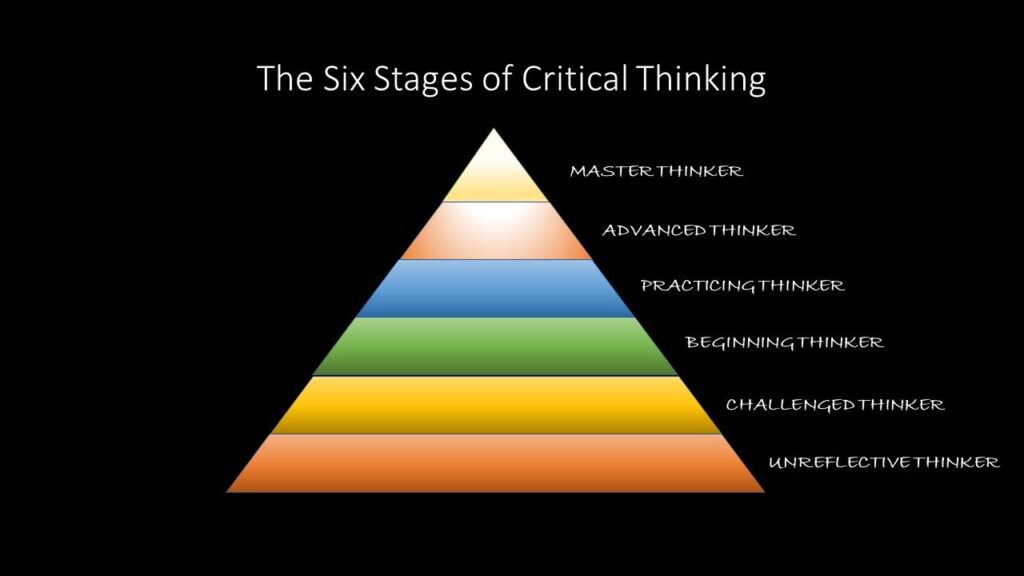
Questioning everything is a fundamental aspect of critical thinking and intellectual growth.
It involves analyzing information objectively, identifying biases, evaluating evidence, and forming well-reasoned conclusions.
By questioning everything, we can navigate complex issues, solve problems effectively, and make sound judgments in different aspects of life.
Challenging Authority Is Important
While respecting institutions and the people who are in positions of power is important, it’s equally necessary to maintain a healthy skepticism and critical evaluation of their actions and motivations.
Blindly accepting authority without question leads to complacency, injustice, and the perpetuation of harmful patterns.
Questioning authority doesn’t have to imply disrespect or dishonorable rebellion; rather, it signifies a commitment to truth-seeking and accountability.
Embracing the possibility that the world is far stranger than we’ve been led to believe encourages a mindset of exploration and curiosity.
RESOURCES
Questioning Authority: Fueling Critical Thinking & Progress
TAP SCREEN HERE — Questioning Authority: Fueling Critical Thinking & Progress
The Critical Mind is A Questioning Mind
Learning How to Ask Powerful, Probing Questions TAP HERE TO READ
The key to powerful thinking is powerful questioning. When we ask the right questions, we succeed as a thinker, for questions are the force that powers our thinking. Thinking, at any point in time, can go off in thousands of different directions, some of which, by the way, are dead-ends. Questions define the agenda of our thinking. They determine what information we seek. They lead us in one direction rather than another. They are, therefore, a crucial part of our….
To read the full article, join the Center for Critical Thinking Community Online; you will find this article in the Libraries there.


Leave a Reply