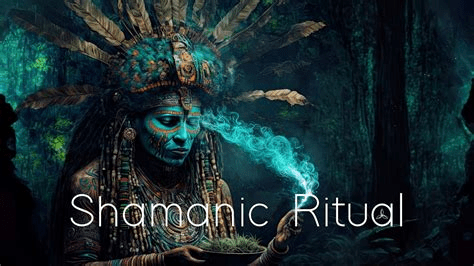
Shamanism
A set of indigenous spiritualpractices in which a practitioner (shaman)enters altered states of consciousness tointeract with spirit worlds, performhealing, divination, and guide souls. Keytechniques: drumming/toning, tranceinduction, plant medicines (in sometraditions), journeying toupper/middle/lower worlds, and workingwith spirit allies (animals, ancestors,power plants).
Shamanism often involves practices aimed at achieving gnosis, which is a state of direct knowledge or understanding of spiritual truths.
Esoteric gnosis refers to deeper, often hidden knowledge that is typically accessible through personal experience and initiation, aligning closely with shamanic traditions that emphasize direct interaction with the spiritual realm.
Shamans and Multidimensional Consciousness
A framework describing multiple levels or “dimensions” of awareness—physical, subtle/astral, causal, archetypal, and transpersonal—accessible via altered states.
Shamans function as bridges between the material and spiritual worlds by operating within a multidimensional consciousness.
Here’s how this works:
- Altered States of Consciousness: Shamans enter altered states through practices like drumming, dancing, chanting, or the use of plant medicines. These states enable them to journey to the Lower World, Middle World, and Upper World, each with its own distinct characteristics and inhabitants.
- Communication with Spirits: In these altered states, shamans communicate with spirits, ancestors, and other entities. This interaction is facilitated by their ability to perceive and navigate the spiritual dimensions, which are invisible to most people.
- Healing and Guidance: By accessing these realms, shamans can retrieve lost soul parts, extract harmful energies, and gain insights that guide their communities. This multidimensional awareness allows them to address issues that are beyond the scope of ordinary consciousness.
- Restoration of Balance: Shamans use their multidimensional consciousness to restore balance and harmony within individuals and communities. They work to heal spiritual imbalances, remove negative energies, and ensure the well-being of all.
- Cultural and Environmental Stewardship: Their connection to multiple dimensions also enables them to act as stewards of the environment and preservers of cultural heritage. They honor the interconnectedness of all life and work to maintain the balance between the human, natural, and spiritual worlds.
Shamanic practices and focused rituals deliver transformation through the initiation process, withstanding the intensity that comes with shaping humans into shamanic healers.
Key Aspects of Shamanic Work
Initiation — Holistic Transformation
The initiation journey often begins with a symbolic, metaphorical or emotional and psychic death and rebirth.
THIS ISN’T QUICK.
This metamorphosis signifies releasing the old identity , the emergence of a new self, equipped to navigate the spiritual realm. It’s intense and deep through a vital connection that’s real, with unseen forces.
Training and Learning
Shamanic training encompasses a broad spectrum of ancient practices that forge deep ties with nature and the spiritual world. Key components include:
Journeying and Trance States
Shamans learn to enter trance states through drumming, chanting, or the use of entheogens, allowing them to communicate with spirits and receive guidance.
Rituals and Ceremonies
Practitioners are trained in various rituals essential for healing, divination, and community rites, which help maintain harmony between realms.
Connection with Nature
A deep bond with the natural world is cultivated, where shamans learn to work with medicinal plants and communicate with the spirits of flora and fauna.
Empowerment
Empowerment in shamanism derives from both internal wisdom and external spirit allies. Internally, shamans cultivate personal freedom and insight, while externally, they receive guidance and protection from spiritual entities, enhancing their roles as healers and guides.
Core Responsibilities of the Shaman
- Healer – Use rituals, plant medicines, energy work to heal physical, emotional and spiritual illnesses by restoring wholeness and proper energy flow in clients. Extract harmful intrusions.
- Psychopomp – Help dead souls safely transition to afterlife realms. Guide spirits that are lost or attached to the living into the light. Exorcise malicious entities.
- Diviner – Reveal information on origins of diseases, lucky hunting grounds, future events. Divine messages from spirit guides using tools like drums, casts, and oracle stones.
- Counselor – Provide wisdom, perspective, and advice on life issues afflicting members of their community through messages channeled from spirits and ancestors.
- Ritual Leader – Lead important community rituals for renewal, rites of passage, marriages, funerals, fertility, prosperity, overcoming collective challenges.
- Protector – Use knowledge of upper and lower realms to strengthen community by banishing evil spirits, placing protective totems and wards, uncovering and undoing curses.
- Teacher – Pass down tribal legends, myths, history, and culture to younger generations so heritage survives. Tell stories that impart morals and taboos.
- Visionary – Enter mystical states of consciousness to gather wisdom and glimpse future events important for community survival and direction. Report back visions.
- Magician – Harness unseen energies and forces of nature to create blessings, curses, transformations through dances, chants, and spirit helper intercession.
Walking Between Worlds
To effectively bridge distinct realms, shamans develop skills through extensive training including:
- Spirit Work – Develop relationships with power animals, teachable plant & nature spirits, ancestors, spirit guides to access their strengths.
- Energy Mastery – Learn to sense, direct and restore proper energy flow within individuals through practices like soul retrieval.
- Trance States – Enter non-ordinary states of consciousness at will using drumming, plants, sleep deprivation – to access other realms.
- Divination – Employ a diverse toolkit of techniques to gather otherwise inaccessible information – scrying, throws, synchronicity reading, oracle decks.
- Dreamwork – Unlock guidance through dreams by learning the symbolic language of the subconscious and achieving lucidity.
- Ecstatic Dance & Music – Use repetitive, trance-inducing percussion, chanting, dance, to open portals and attain visionary states.
- Ceremony – Design intricate ceremonial rituals that balance energies and bridge worlds through the symbolic invocation of spirits.
- Medicine Creation – Prepare sacred plant medicines by communing with their spirits. Understand their healing properties through direct experience in journeying states.
The Essence of Shamanism
At its core, shamanism is about interconnectedness—between individuals and the spiritual realm, and among all living beings.
The practices and beliefs of shamans not only provide healing and insight but also echo in modern psychological practices, highlighting the enduring legacy of shamanism as a foundational aspect of humanity’s spiritual journey.
The initiation process in shamanism is a transformative journey that prepares individuals to become healers and spiritual guides.
Through deep spiritual transformation, comprehensive training, and empowerment, shamans play a crucial role in maintaining the balance between the physical and spiritual worlds, a practice that continues to resonate in contemporary life.


Leave a Reply